
Our programs
What we’ve done
Since 2024 we’ve built gardens, run clubs, cooked and grown with neighbors in Eastport and Robinwood. Every program started small, inside a neighborhood, and each one is part of what we’re building at Eastport Community Farm now.
All of these programs depend on funding and grants right now. We’ve shown they make a difference; we need support to keep doing them.
1 · Gardens
Garden building, planting and growing
We build gardens with neighbors and grow with the kids and whoever wants to get involved. It’s how we meet people and invite them to the farm. Next, more structure: weekly volunteer sessions at each garden in the warm months, and some support in the cold months.
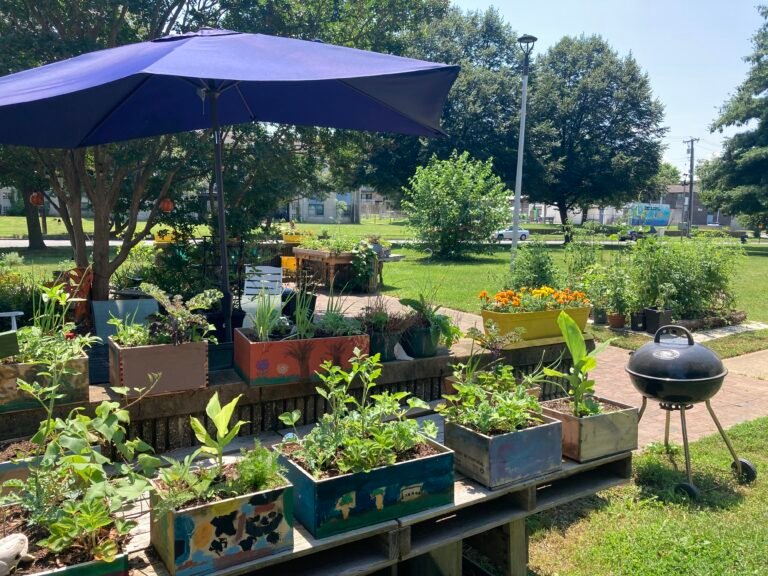
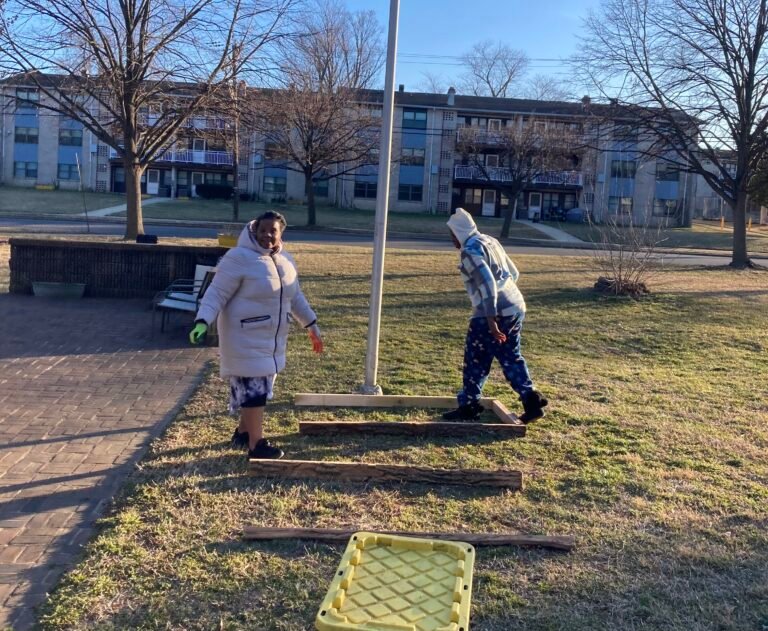
The Healing Garden
Madison and President · March to September 2025
- How often
- Every Sunday at 4 pm, for 2 hours
- Who came
- 4 to 10 people a session, mostly the same faces. About 15 adults and 15 young people came five times or more.
- What it grew
- About 20 servings of greens a week by April, and thousands over the season, from about 56 square feet of beds
- Cash cost
- About $500 in supplies
Building on it now: the neighbors who ran it became our founding board. Donna “Ms. Peaches” Johnson stewards it, and we’re replacing its beds with new boxes. More about the garden
Our Garden at Harbour House
Harbour House · June 2025 onward
- How often
- 3 to 4 sessions a week, 2 hours each
- Who came
- 20 to 30 young people regularly through the summer; 40 came back more than five times. More than 100 neighbors benefited.
- What it did
- 100 native plants put in, 1,600 square feet of invasive plants cleared, about 800 pounds of trash removed, about 1,000 servings of food given out
- Cash cost
- $3,000 in supplies, plus a $5,000 Chesapeake Bay Trust grant
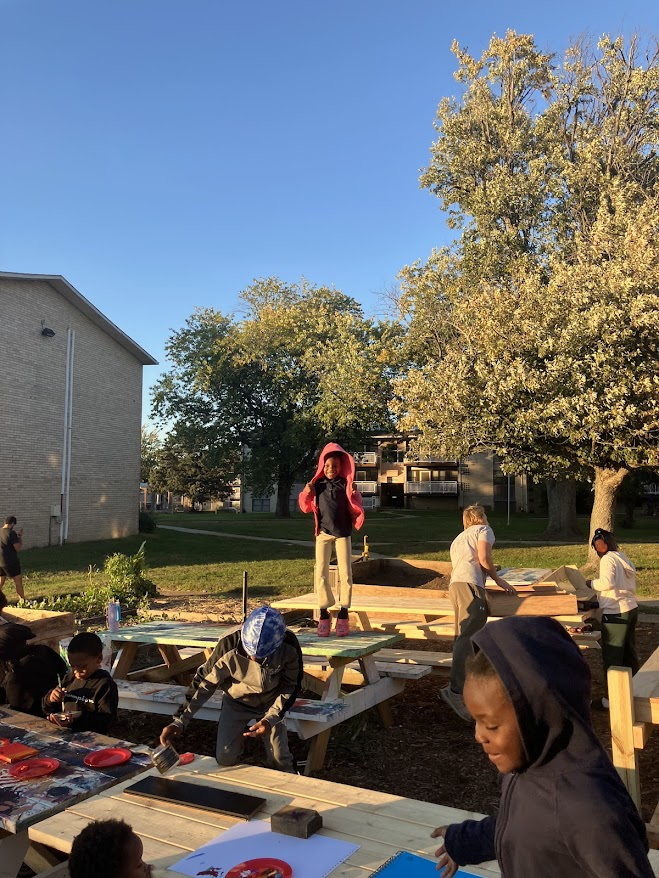

Robinwood’s Great Garden
Robinwood · fall 2025 onward
- How often
- About 15 sessions in 2025
- Who came
- 5 to 10 young people a session, mostly the same faces. Cookouts of 20 to 30.
- What it grew
- 300 square feet of beds
- Cash cost
- A $1,000 gift
Building on it now: a resident, Ms. Kita, runs the garden herself. More about the garden
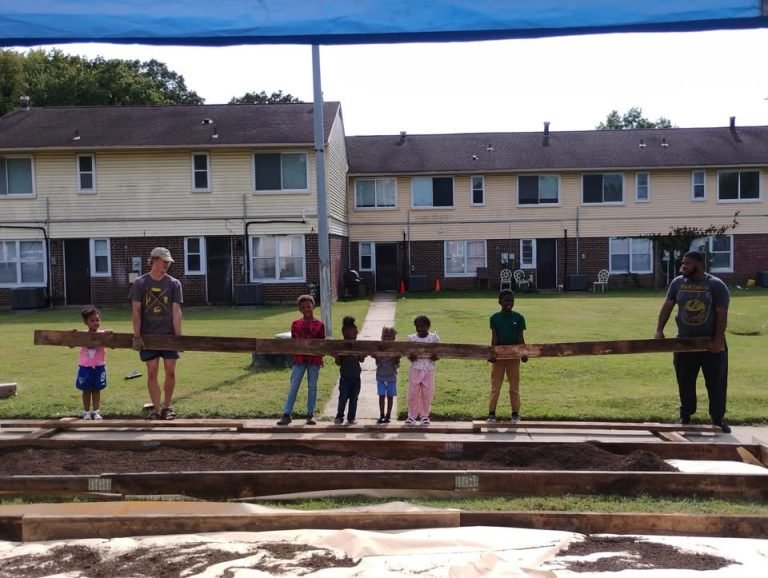
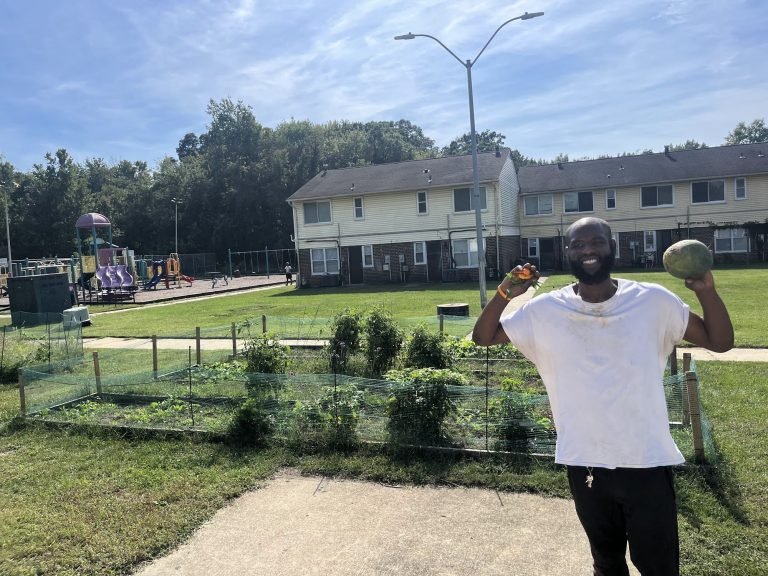
“She went from a participant to managing the whole garden. It really isn’t even our garden any more.” — Matthew Wallace
2 · Clubs
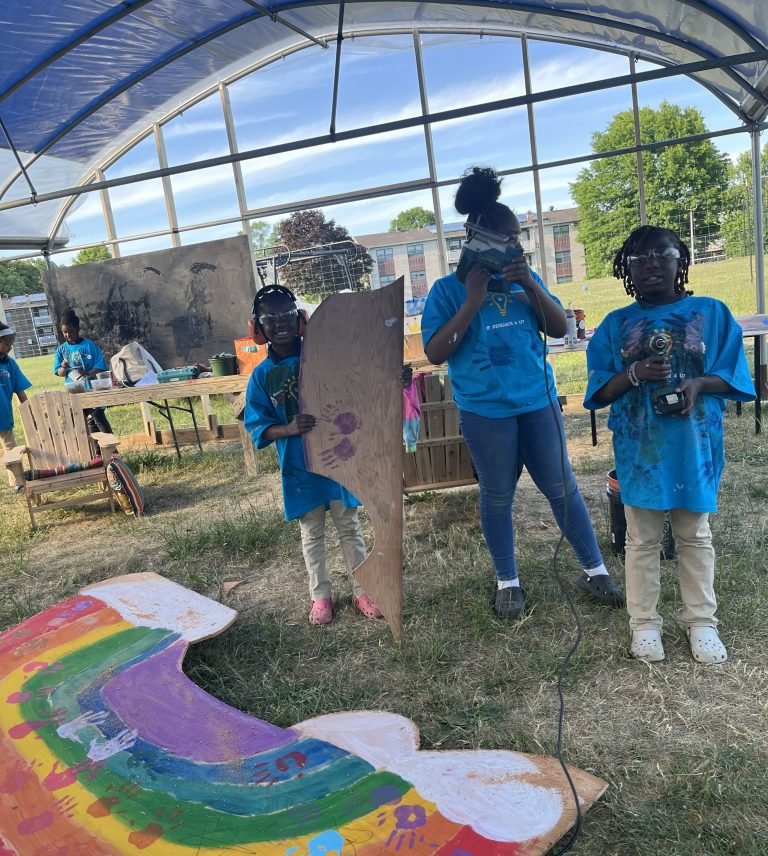
Building Club and Art Club
Activities at the gardens. They show us who’s talented and wants to be part of it, like Kareem, who started at Building Club and is now our Farm Manager. We want people like him at the greenhouse, in our programs.
Building Club
Both gardens · June 2025 onward, with a two-week build in October 2025
- How often
- Weekly, plus the two-week build
- Who came
- About 20 young people at the first build
- What it built
- Picnic tables still used every day at both gardens, and garden boxes for residents
- Cash cost
- A $3,000 grant from 84 Lumber
Building on it now: Building Club is building the greenhouse, Fridays 10 to 3, plus Mondays and Wednesdays. Our Farm Manager first came to Building Club as a volunteer. Join Building Club
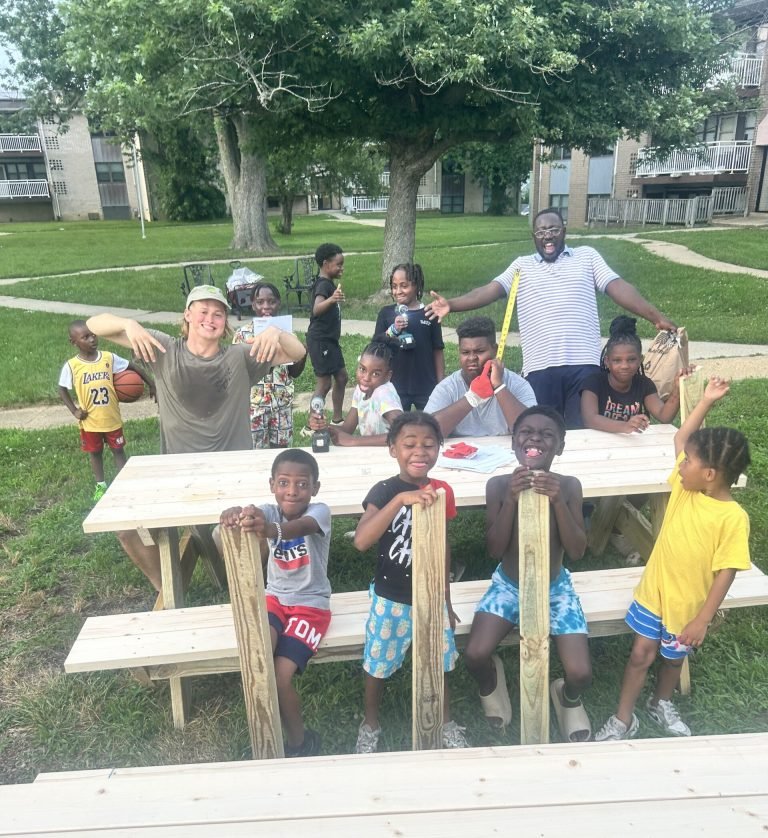
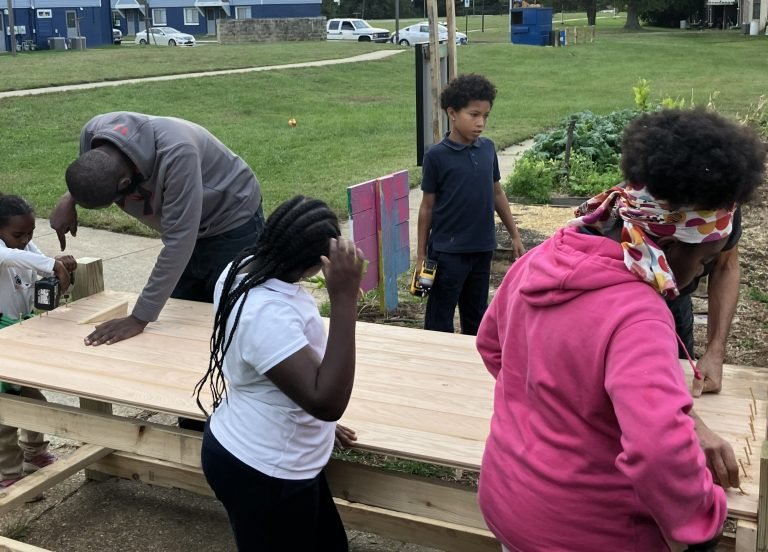
“Just seeing the kids enjoy working with their hands… and see that they don’t have to go to the store and buy stuff. They can build it with their own hands.” — Kareem, our Farm Manager
Art Club
Our Garden, then the greenhouse · September 2025; back in spring 2026
- How often
- Weekly, about 15 sessions
- Who came
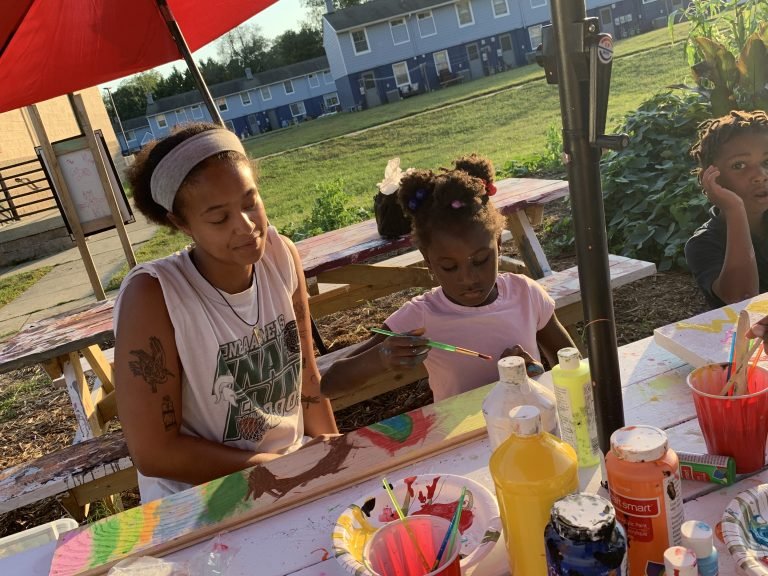
- 5 to 10 a session; about 25 at the biggest
- What it made
- The greenhouse decorations and the podium for the farm’s ribbon cutting
- Cash cost
- $50 a session for the teacher
Building on it now: art that lasts outdoors: signs for the farm’s front, the street, and displays around the site.
3 · Plants
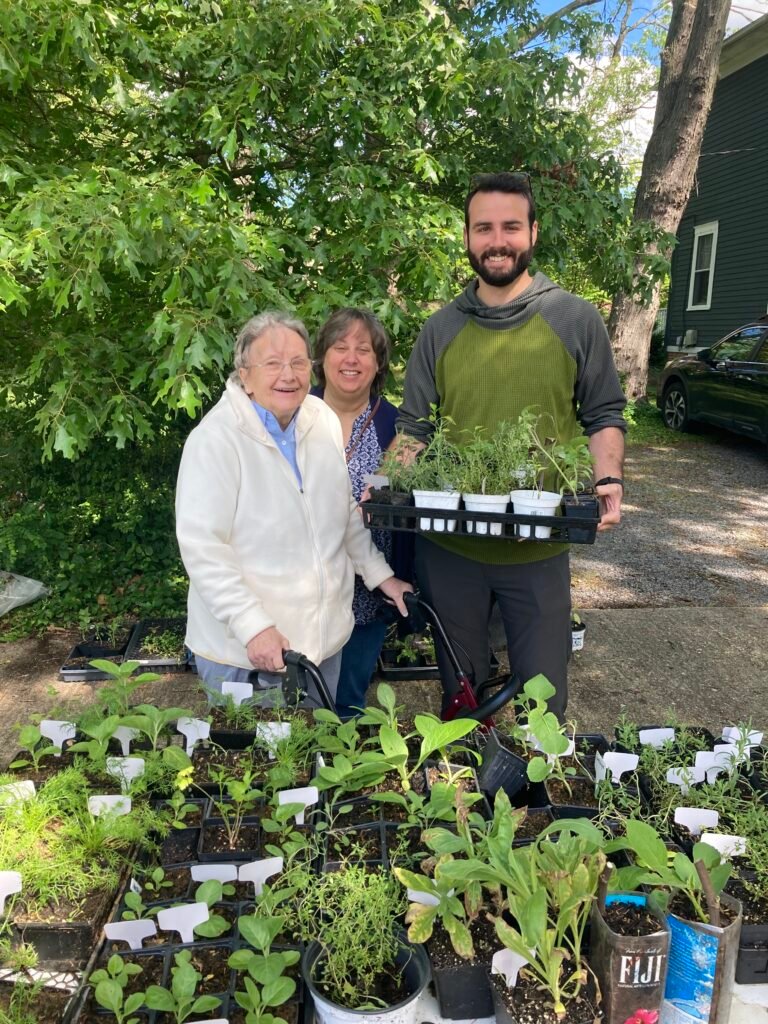
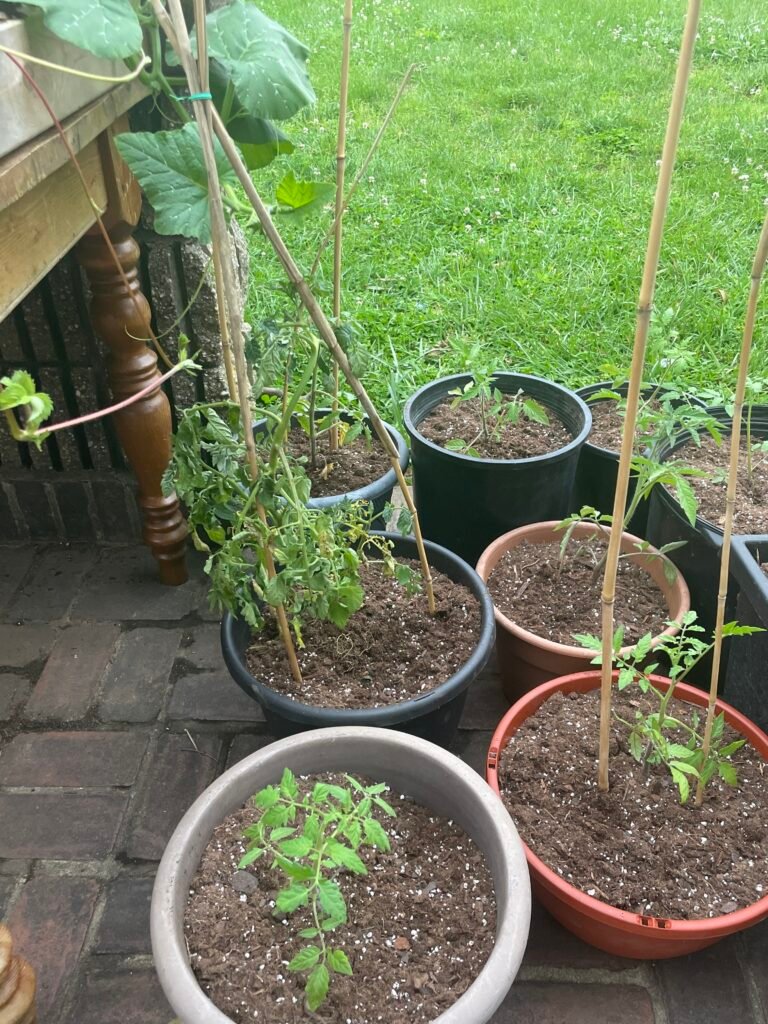
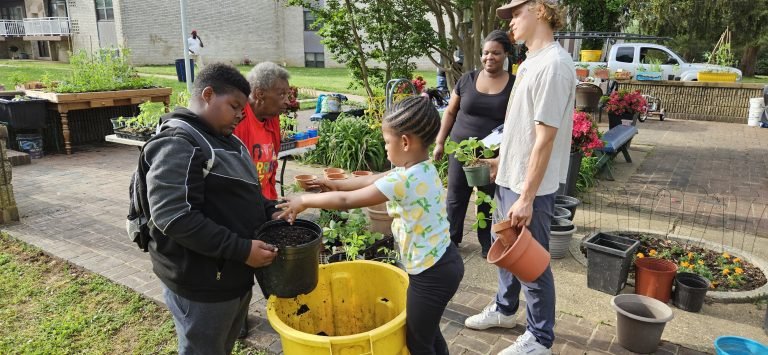
Plant distribution and seed starting
Making plants, soil and seeds available to neighbors.
Burnside Street and the Healing Garden · 2024 onward
- 2024
- Plant sales on Burnside Street, and plants dropped off to Ms. Peaches at Harbour House
- Spring 2025
- A plant distribution at the Healing Garden, and a seed-starting session in the gym during a resident council meeting
- Spring 2026
- Seed-starting supplies delivered to neighbors at Robinwood
What we learned: making supplies available works, and it’s how Nana got started. Helping people start baby plants themselves is harder: it takes support to do it successfully.

4 · Food
Youth Culinary
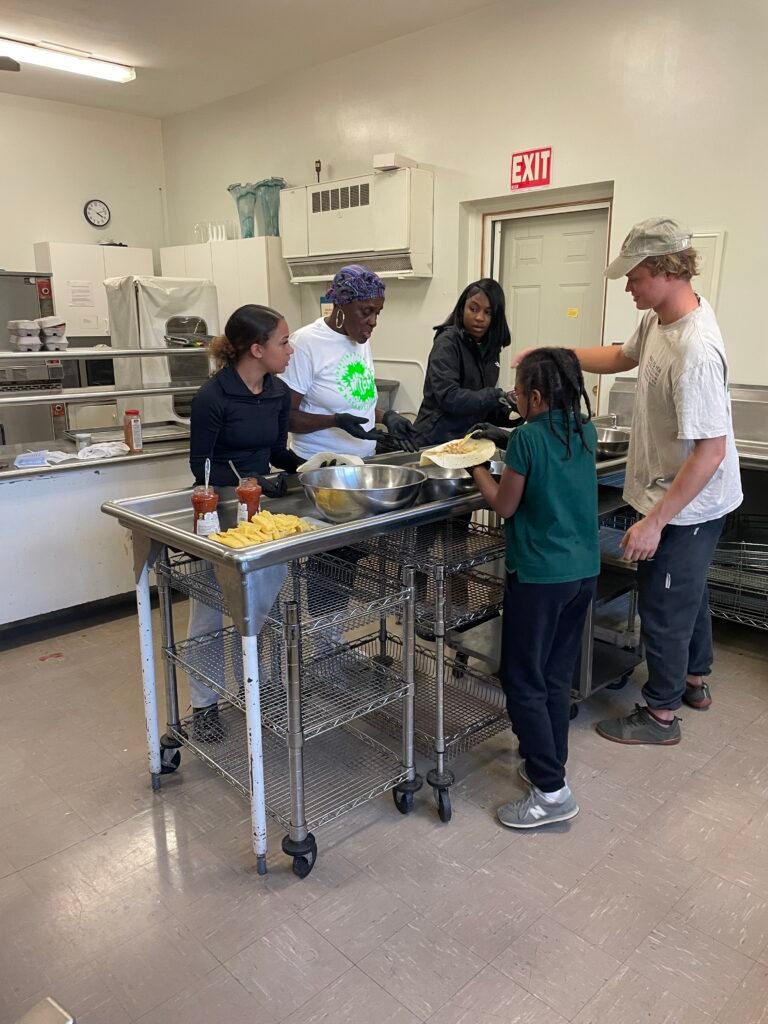
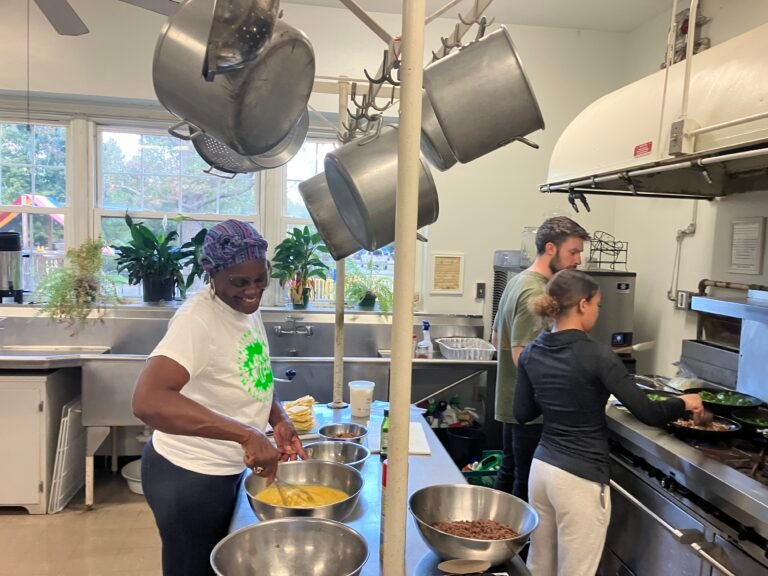
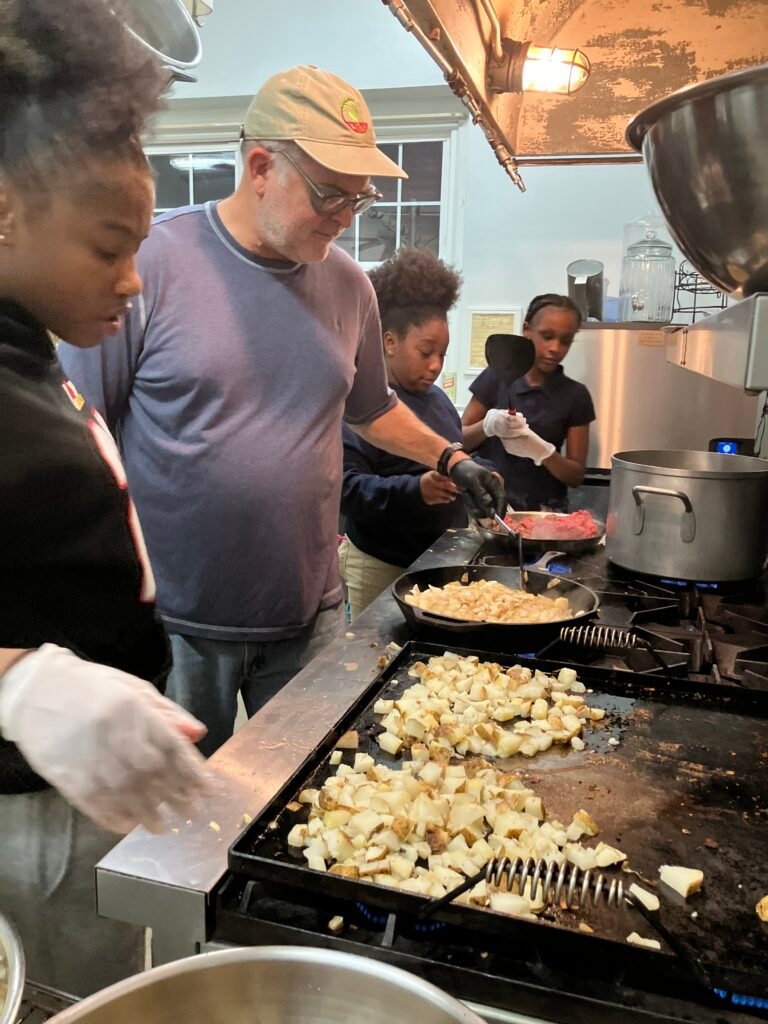
Crucial. We weren’t just cooking for ourselves: young cooks made hundreds of burritos for the food pantry, so neighbors had a good, filling meal.
Eastport United Methodist Church · October 22 to December 5, 2025
- How often
- Five 2½-hour sessions in the church kitchen, plus five planning sessions
- Who came
- 5 core members, including a paid high school intern
- What it made
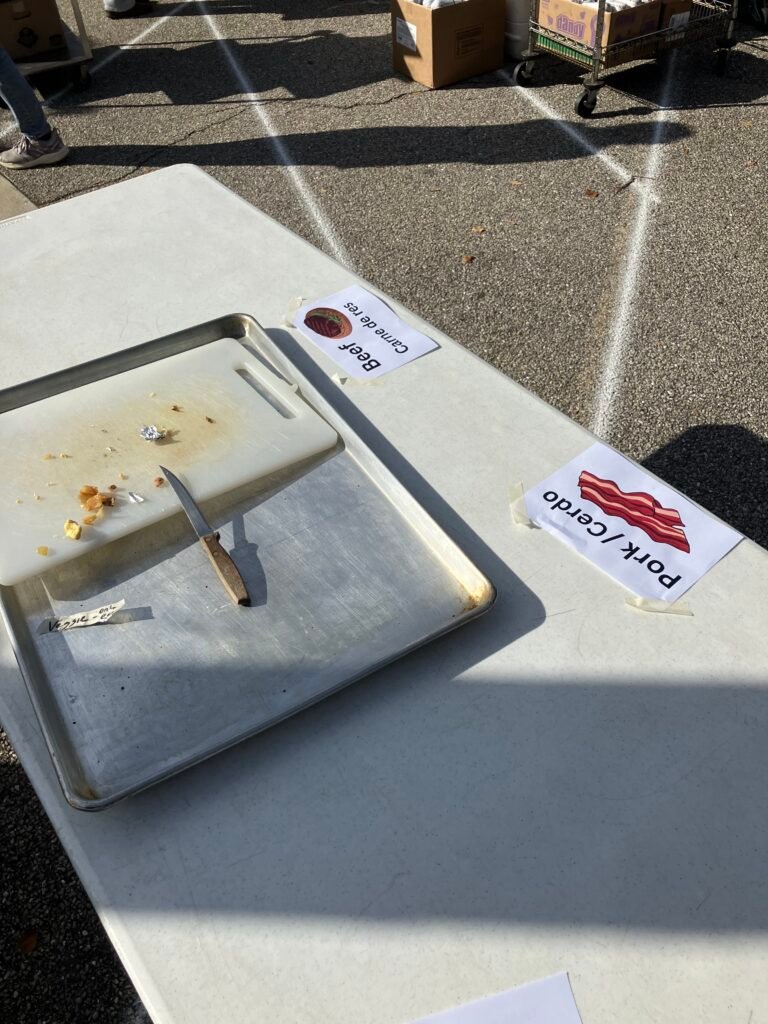
- About 300 servings, including 50 to 100 breakfast burritos for the church food pantry, three or four times
- Cash cost
- About $1,000, including $50 a session for the kitchen
Building on it now: young people cook in the greenhouse kitchen. A full commercial kitchen is hard to permit at the farm, so our board is pursuing a food truck or trailer for the culinary program.
5 · Enterprise
Neighbor enterprise
Our first real business to come out of this work: asset-based community development, building on what neighbors already do well.
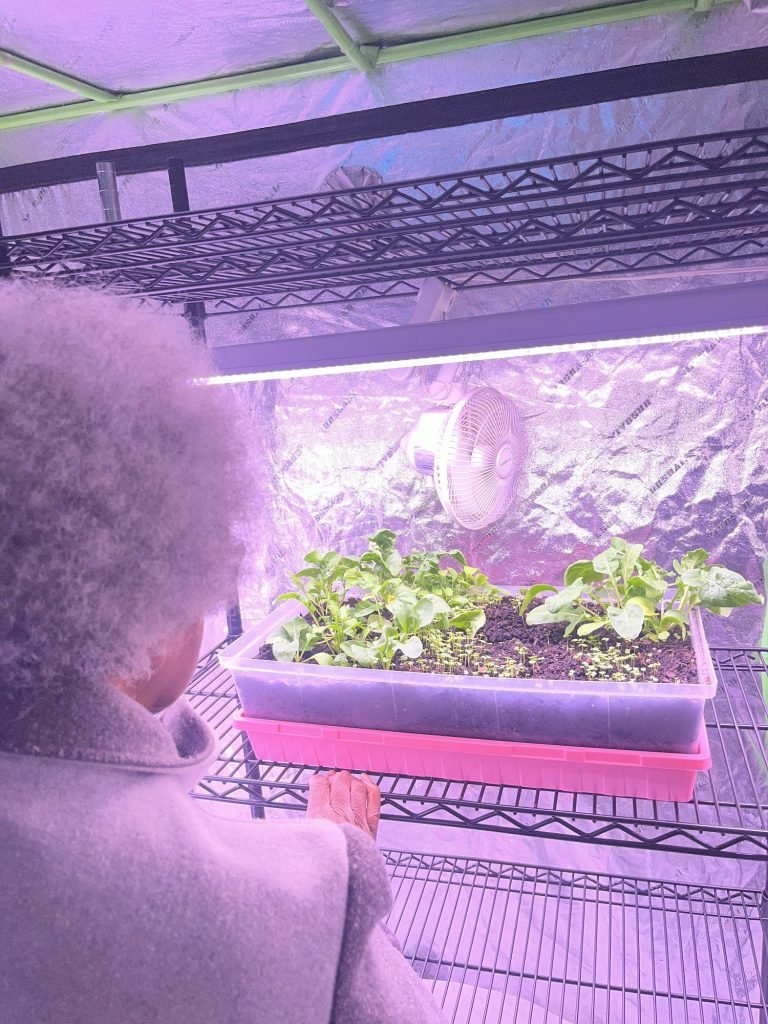
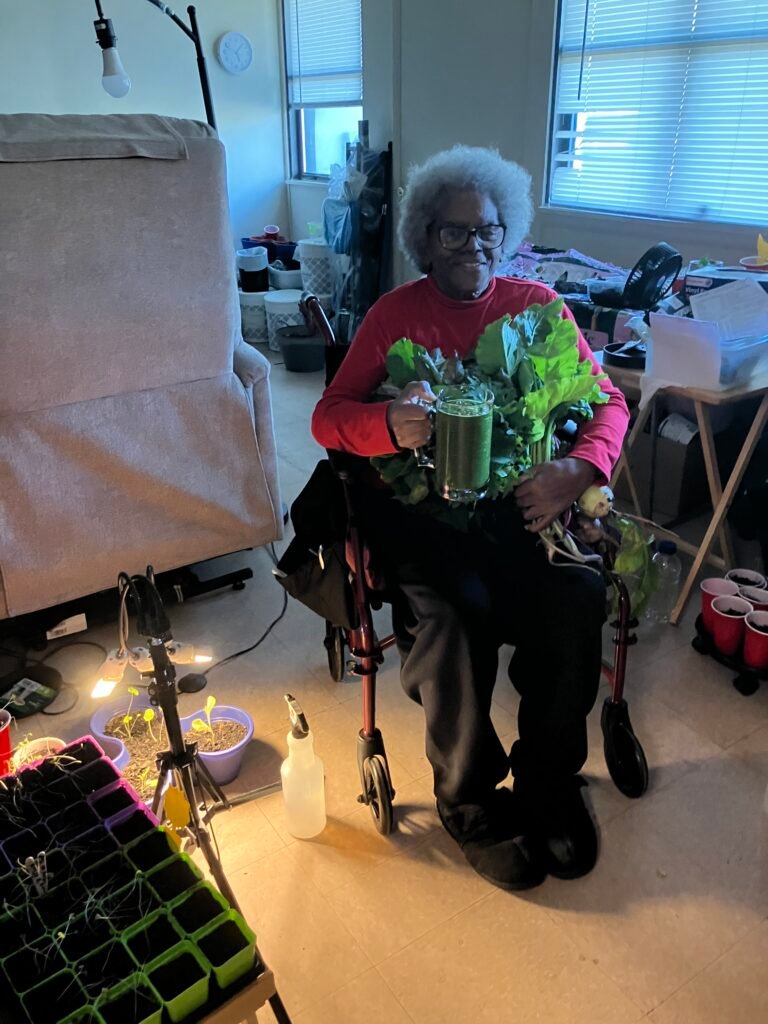
Microgreens with Toni Cook
In collaboration with Toni Cook (Nana) · 2025 onward
- How often
- Visits twice a week
- Who
- 3 households of older neighbors
- What it grew
- About 200 trays of microgreens (about $1,000 worth), shared with neighbors, and about 3,000 spring starts
- Cash cost
- About $500 in equipment
Building on it now: Nana started by receiving greens, then took home a hundred plants, then a grow tent. Her neighbor, who first took plants at the same giveaway, now works on our paid staff.
Where it led
Eastport Community Farm, summer 2026
Building Club, Art Club and growing worked, but bringing the supplies to each garden every time took a lot of labor. That’s what led us to build a community hub: a greenhouse that can be heated in the colder months and stores supplies, so longer projects can keep going. Cooking, art, building and growing at home all showed there’s interest. Eastport Community Farm brings them together in one place, for the long term.
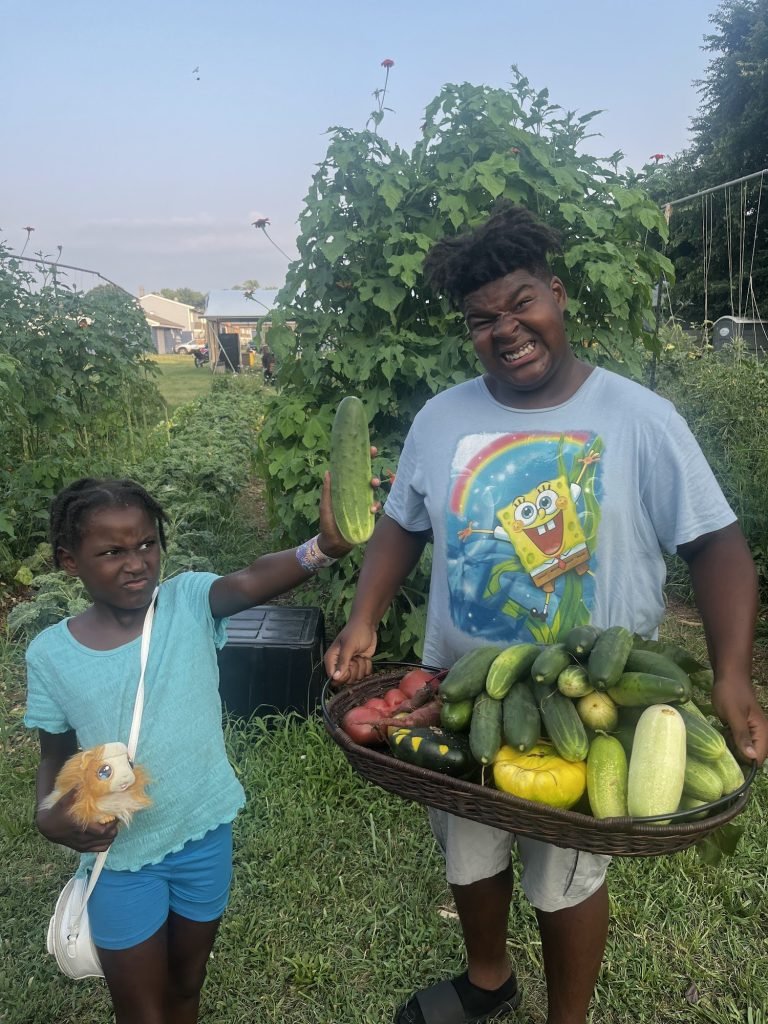
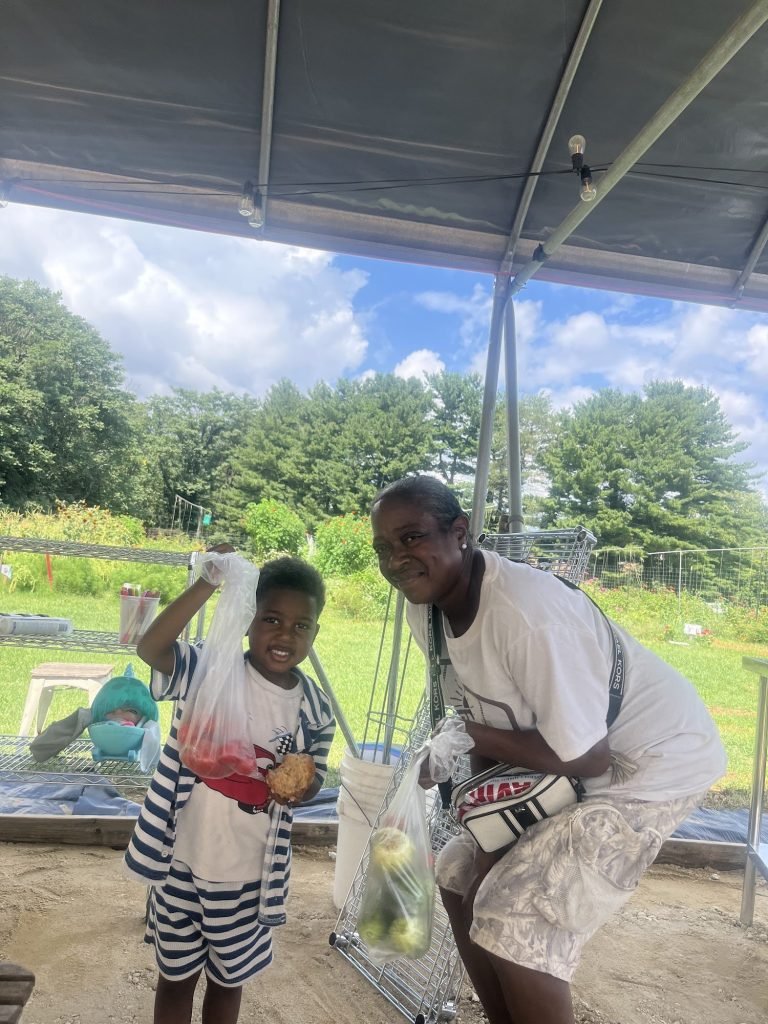
The farm opened in May 2026 with the Housing Authority of the City of Annapolis. That summer, about 50 people a day, five days a week came, about 30 of them regulars. We grew about 2,000 pounds of produce in three months. Some young people got their main meals here.
What we learned
People come for something they want to do
Woodworking and art brought in more future crew than any application. Our Farm Manager and another Service Year member both started at Building Club.Food is crucial
Food is a big part of why people come back.Be inside the neighborhood
Our gardens are where people live, so nobody needs a ride. The best gardens are at crossroads.Let people own it
We left out irrigation at Our Garden on purpose: automating it would have taken the work, and the ownership, away from neighbors.The biggest cost of these programs was unpaid time from our Executive Director, about 20 hours a week in the first season. The programs work; now we’re paying the people who run them. See our finances.
Figures are conservative estimates, put together in September 2026 from photos and staff records. The Our Garden figures are from our final report to the Chesapeake Bay Trust. Before 2025, we started Burnside Sanctuary and the Eastport Compost Hub: see our story.
Help us build what’s next
Every program here started with a few neighbors and a little money, and all of them depend on funding and grants. Your gift helps turn them into programs that run all year.